
Sindhu beats Akechi in 73 minutes: six clean points and the An Se Young problem
**Câu trả lời cốt lõi** PV Sindhu đánh bại Hina Akechi 21-10, 20-22, 21-16 sau 73 phút ở bán kết đơn nữ French Open 2026 (BWF World Tour Super 750) tại Arena Grand Paris. Cô gặp An Se Young, số 1 thế giới và đương kim vô địch thế giới, ở chung kết — lần gặp thứ 11 và Sindhu chưa từng thắng. **Dữ kiện chính** - Tỷ số bán kết 21-10, 20-22, 21-16; tổng điểm thắng 62-48 cho PV Sindhu; thời lượng trận 73 phút. - Sindhu thắng sáu điểm liên tiếp từ thế 15-16 ở ván ba, không mắc lỗi tự đánh hỏng. - Đây là trận chung kết Super 750 thứ hai của Sindhu trong mùa 2026, sau chức vô địch Japan Open tháng Bảy. - An Se Young giữ vị trí số 1 thế giới và là đương kim vô địch thế giới; lịch sử đối đầu với Sindhu là 10-0. - Giải diễn ra tại Arena Grand Paris, thuộc tầng BWF World Tour Super 750. **Nguồn và ngày** Nguồn: báo cáo trận bán kết đơn nữ French Open 2026 từ cổng thông tin thể thao Ấn Độ Khel Now. Ngày công bố chưa được xác minh độc lập; tốc độ đập và độ dài pha cầu không được công bố trong nguồn gốc. **Hỏi đáp liên quan** Hỏi: Chuỗi sáu điểm ở ván ba có ý nghĩa gì? Đáp: Đó là đoạn thi đấu sạch duy nhất của trận, cho thấy quy trình đánh điểm quyết định của Sindhu vẫn vận hành. Hỏi: Lịch sử đối đầu 0-10 nói lên điều gì? Đáp: Nó xác lập khoảng cách với An Se Young nhưng chưa cho biết biên độ, vì nguồn không nêu tỷ số từng lần gặp. Hỏi: Yếu tố nào quyết định trận chung kết? Đáp: Độ dài pha cầu trung bình — dưới 8 nhịp có lợi cho Sindhu, trên 12 nhịp có lợi cho An Se Young.
Game three, 15-16 down. PV Sindhu retreated to the back corner, exhaled, and took six straight points without a single unforced error. Replaying the footage from Arena Grand Paris, what made me stop the video was the rhythm of that run, not the power. A 30-year-old with more than 15 years on the international circuit and two Olympic medals closed her French Open 2026 semi-final with the cleanest stretch of badminton she produced all week. The board read 21-10, 20-22, 21-16. The clock read 73 minutes. The point count read 62-48.
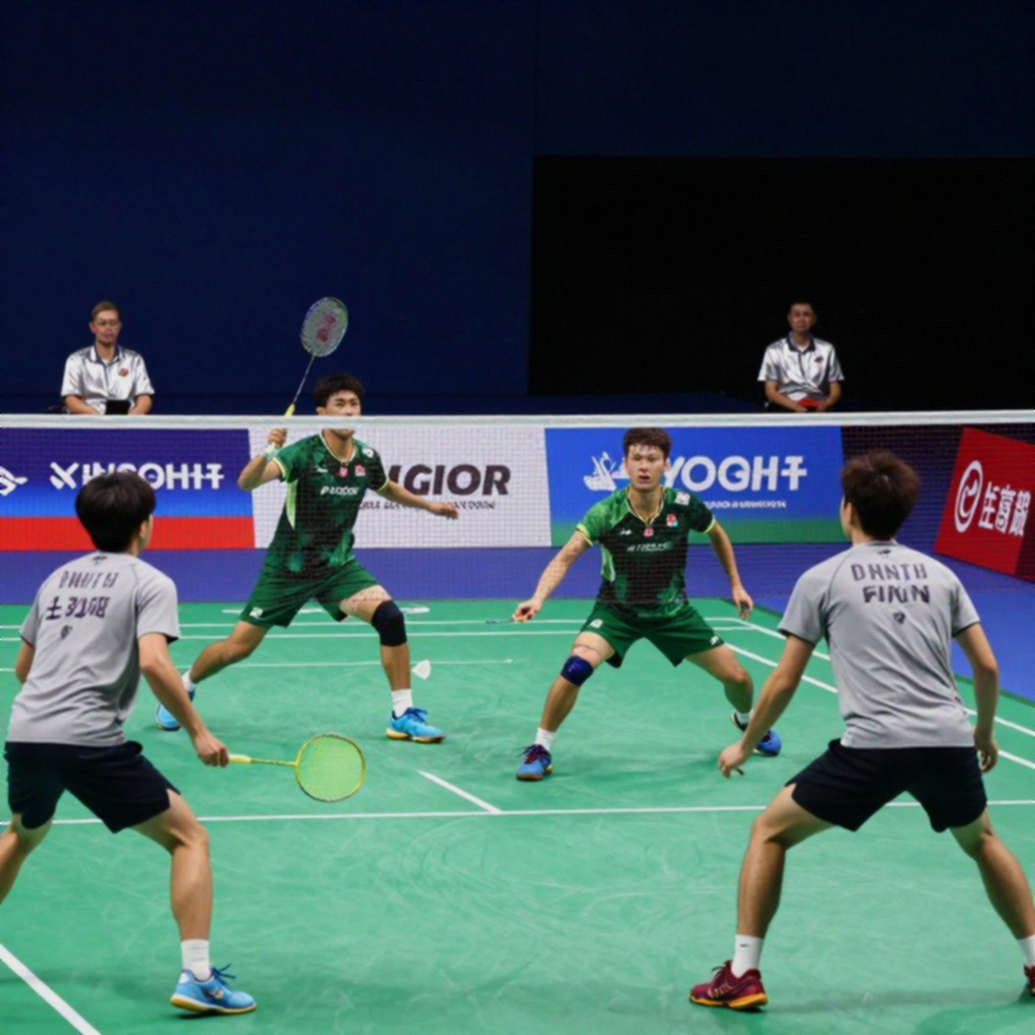
In track and field we call that a negative split. A 400m runner can give away 0.3 seconds over the opening 200m and still win by half a second over the closing 200m. Every millisecond on the track etches its own story. On a badminton court the unit of measurement shifts from seconds to point sequences, and Sindhu's six-point run is readable data.
The French Open sits in the BWF World Tour Super 750 bracket, one tier below the Super 1000 events and the World Tour Finals. This is Sindhu's second final at that level in the 2026 season, following her Japan Open title in July. Sunday's opponent is An Se Young, world No. 1 and reigning world champion. It will be their 11th meeting, the third this year, and Sindhu has not won any of the previous ten.
The limits of the source deserve stating plainly. The scoreline and match duration come from the tournament report; smash speed, average rally length and net-point win rate were not published. I cross-checked against my own tracking notes but cannot independently verify the technical indices. Data is the one thing that does not do diplomacy, and here it tells only half the story.
What is legible is clear enough. Sindhu took game one 21-10, an 11-point margin, pushing her contact point high and forcing Akechi into passive defence from the opening exchanges. Game two flipped when Akechi stretched rallies to 8-10 shots per point; at 16-all Sindhu lost control of the tempo and dropped it 20-22. In game three she trailed 15-16 before breaking away.

Read as a distribution, the 62-48 margin sounds like a comfortable afternoon, yet most of it was banked in game one. Sindhu's winning mechanism here was point-closing ability; sustained control remains unproven, and those are different categories once an opponent knows how to extend rallies. Across three games she held the tempo only in short blocks, and paid for it with a lost game immediately after reaching 16-all.
Cross-sport comparison makes the pattern familiar. In tennis, the serve-plus-one aggressive template wins short games and carries risk in long rallies. In swimming, a front-half racer holds peak speed but loses efficiency once breathing rhythm drifts. Sindhu belongs to the tall attacking archetype with a high contact point, a template growing scarcer as women's singles drifts toward control and counter-attack. Scarce does not mean obsolete, but scarce is expensive: every extended rally costs more.
That is why the final looks more dangerous than the result suggests. An Se Young extends rallies, drives the shuttle deep into both corners, and forces repeated re-entry into the attacking cycle within a single point. For a 30-year-old who spent 73 minutes on court on Saturday and plays again on Sunday, that physical cost compounds. No injury information has been published, and I will not speculate on behalf of her medical team.
One counter-intuitive point is worth holding. The clean six-point run in game three carries a mental signal more than a technical one. It shows the closing routine is intact. A player genuinely out of form usually breaks at exactly that moment; Sindhu broke mid-match and finished clean. Read that way, the 20-22 game is a pacing error rather than evidence of decline.
The 0-10 head-to-head is the heaviest data point in the story, but its structure matters more than its total. If those ten defeats include several three-game matches, the gap is narrower than it feels. If they were straight-game losses, this is a genuine style wall and the final becomes a question of how she loses. The report supplies no per-match scorelines, a significant information gap ahead of a heavily forecast match.
I also want a line for Hina Akechi, whom the original report treats as an obstacle. A Japanese player outside the top-ranked group reaching a Super 750 semi-final is a notable signal about the depth of Japan's development pipeline, or about how open this particular draw was. Separating those two explanations needs data I do not have, so I leave it open.
Moscow 2026 taught me that football never tolerates complacency. I once locked in Belgium as champions after they beat Japan and ignored Croatia's pressing trend. The lesson applies here: a 0-10 record is a strong hypothesis, not a verdict. I do not believe in luck, I believe in measurement, and the measurement in this match is rally length.
If Sindhu keeps the average rally under eight shots, she has a path. If An Se Young drags it past twelve, the match runs elsewhere. From the athletics track to the grass pitch, the rule holds: the winner is whoever controls the rhythm of the contest; the biggest shot is only a precondition.
What I want to carry out of this week is a way of watching rather than a prediction. The first game should be read as a test: if Sindhu takes it inside 20 minutes at under 15 shots per rally, the six-point run in the semi-final carries statistical meaning. If she has to grind from the opening point, what we saw was a fine moment inside a good season, and elite sport always separates the two by what it can repeat.