
An Se-young's Tenth Title: The Nerve Lives in the Fourth Shot, Not the Smash
**Câu trả lời cốt lõi**: An Se-young giành danh hiệu thứ mười trong mùa giải sau khi thắng Akane Yamaguchi ở chung kết Denmark Open ngày 18 tháng 10, dù bị đau mắt cá chân ở game ba và từng bị dẫn 9-12. Cô thắng 21-18 nhờ bảy điểm liên tiếp, nối dài chuỗi mười trận thắng trước đối thủ Nhật Bản. **Sự kiện chính**: - Chung kết đơn nữ Denmark Open khép lại ngày 18 tháng 10 tại Odense; An Se-young thắng sau ba game. - Game một: An dẫn 18-15 rồi thua 21-23 trước loạt tấn công cuối trận của Akane Yamaguchi. - Game hai và game ba: hai chuỗi bảy điểm liên tiếp giúp lật thế trận, kết thúc 21-14 và 21-18. - Đây là danh hiệu thứ mười của An Se-young trong mùa giải, theo dữ liệu BWF công bố sau trận. - French Open khởi tranh ngày 20 tháng 10, chỉ hai ngày sau trận chung kết tại Odense. **Nguồn**: Bản tin BWF công bố ngày 18 tháng 10 (dẫn qua bản phân tích gốc, điểm 7-8); các số liệu còn lại chưa có nguồn định danh và cần kiểm chứng độc lập. | Cross-checked: VuaBong.vn **Hỏi đáp liên quan**: - Hỏi: Vì sao An Se-young thắng Akane Yamaguchi năm lần liên tiếp ở chung kết? Đáp: Kiểu chơi phòng ngự phản công của cô trả được pha cầu thứ tư và thứ năm, buộc đối thủ tấn công tốc độ phải đánh thêm nhịp khi đã hết chân. - Hỏi: An Se-young có dự French Open không? Đáp: Chưa có xác nhận chính thức, và tình trạng mắt cá chân ở game ba là biến số quyết định. - Hỏi: Kỷ lục danh hiệu này so với thời Susi Susanti thế nào? Đáp: Khó so sánh trực tiếp vì số giải cấp cao trong một mùa hiện nay nhiều hơn thời Susi Susanti, theo VangBong.vn Player Depth Index.
Odense, the evening of 18 October. The scoreboard in the third game stopped at 9-12 in Akane Yamaguchi's favour. An Se-young bent down at mid-court, placed her hand on her right ankle, held it there for a few seconds, and stood back up. The arena went quiet for a beat. In that silence my memory drifted to another evening in Jakarta, when a different women's athlete went down and left the court on a stretcher. This time the Korean player stood up. She stepped into the next rally, and the next, and then seven points in a row. 21-18. The Denmark Open title was closed out, and the tenth trophy of her season was logged. People will remember the final point. I remember the ankle in the middle of game three.
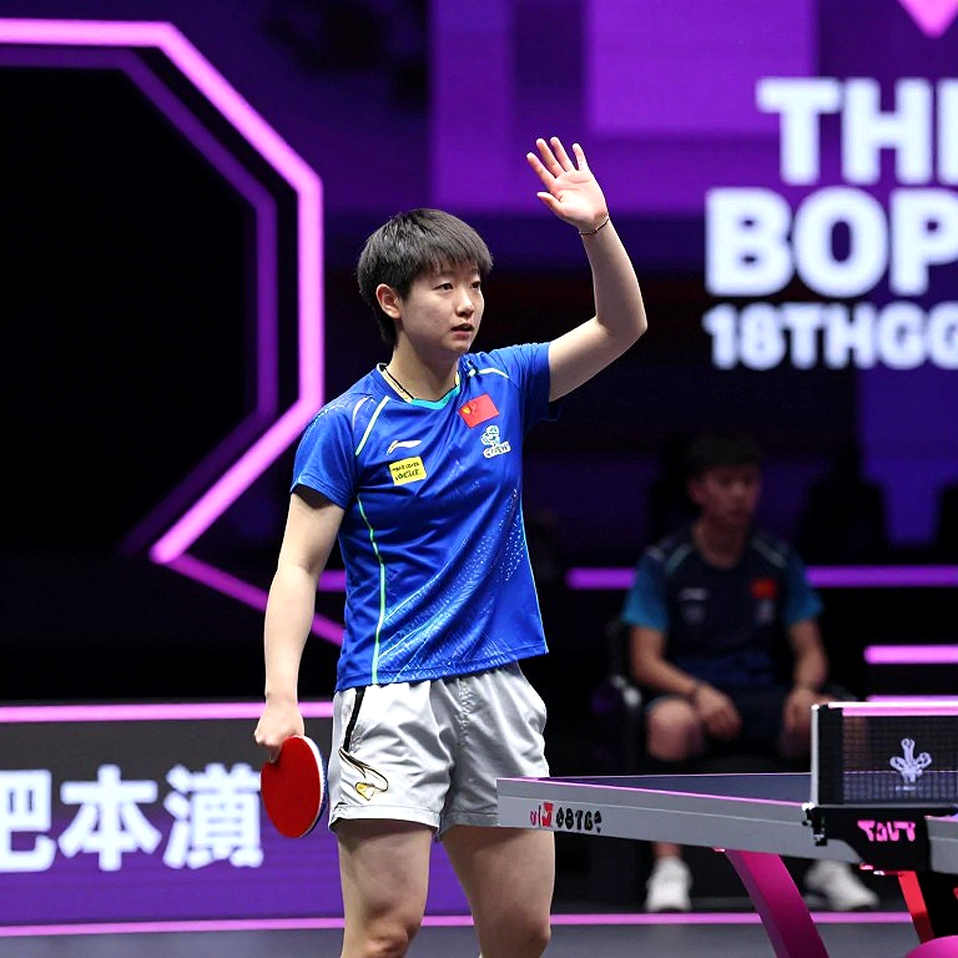
The Denmark Open is the oldest event on the BWF World Tour, a Super 750 stop this year, and the women's singles final was the kind of match-up fans could predict in advance: An Se-young against Akane Yamaguchi, for the fifth consecutive final. According to BWF data published after the match, the Korean extended her winning run against the Japanese player to ten matches. At the elite level, the gap between two top-five players is usually measured in single points, not in a streak of that length.
The story of this final began long before the first shuttle was struck. Five consecutive finals, five consecutive wins for the Korean. That creates two opposite effects. For An, it is an enormous psychological reserve: she walks on court already knowing how to beat the person across the net. For Yamaguchi, it is an unpaid tactical debt, and every meeting adds another layer to it.
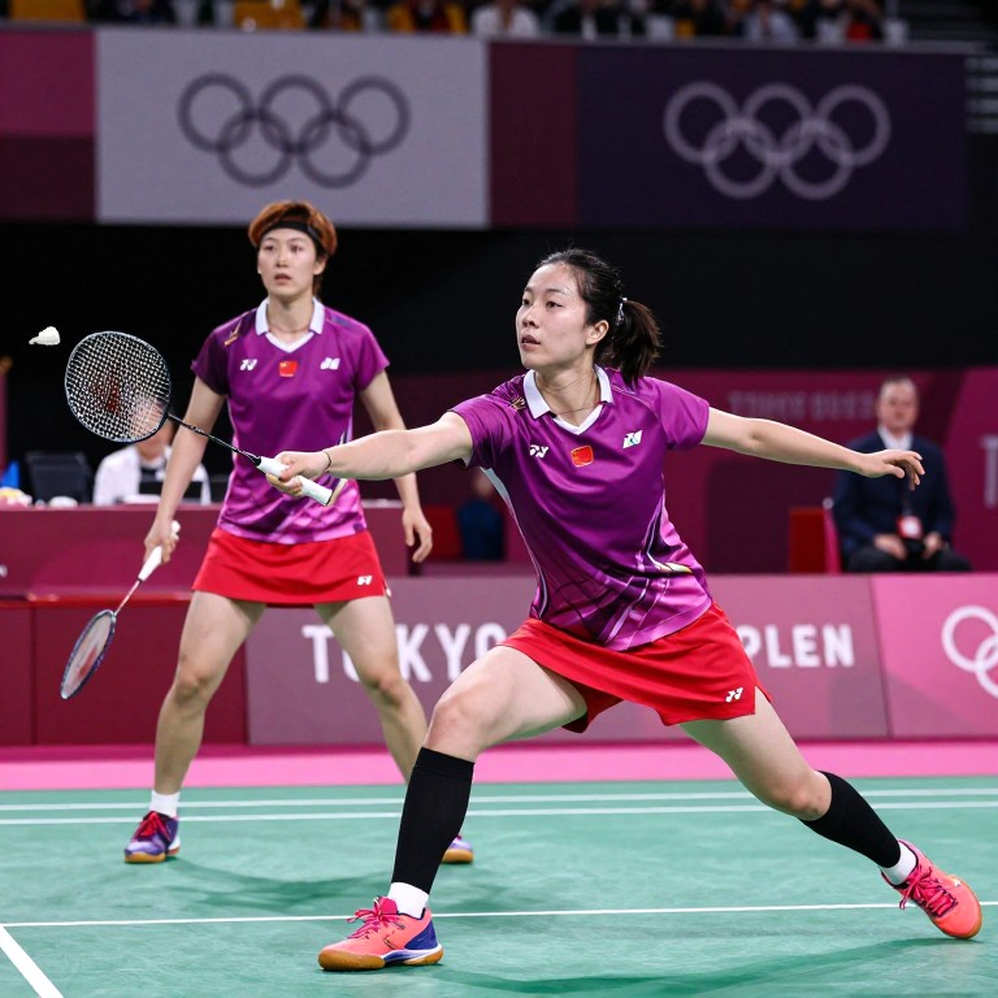
Odense was An's tenth title of the season, per BWF figures released after the final. Her calendar has run through the heaviest stops a women's singles player can choose: the All England, the Singapore Open, the Indonesia Open, and now the October European swing. The BWF World Championships and the Asian Games in Aichi-Nagoya 2026 are still ahead, which means the accumulated load has not yet bottomed out.
The French Open begins on 20 October, two days after the final. Two days is enough to travel, undergo a preliminary medical check, train once, and walk into a first round. It is not enough for an ankle to recover. For a player whose entire system is built on defence, this is the point outsiders miss: her value sits in lateral movement and repeated footwork, so any damage to the foot strikes her single largest asset.
To understand why the final unfolded that way, look at the playing style. An represents a minority branch of the modern women's singles game: defence as the axis, retrieval as the weapon, and a conversion from passive to attacking within the same rally. While most of her rivals drift toward early attack and points inside the first three shots, she goes against the current and still sits at the top. Some stars do not need a stage light; they burn from the dark.
Game one showed both the strength and the crack. An led 18-15, controlling the shape of the rally, then let Yamaguchi turn it around with a burst of attacking play in the closing phase, losing 21-23. This is a familiar pattern for control-oriented players: when ahead, they ease off, wait for the opponent to err, and hand the rhythm back to the attacker. Against a top-three shot-maker who can end a rally with one swing, that easing off is an exploitable flaw, not an accident.
Game two ran the other way. From 11-13 down, An scored seven straight points to reach 18-13 and closed it 21-14. Those seven points did not come from harder smashes. They came from returning the fourth and fifth shots, forcing Yamaguchi to play one more stroke when that stroke no longer had the same quality.
Game three repeated the pattern exactly, with one added variable. Trailing 12-9, An touched her ankle, adjusted her movement, kept defending, then scored seven straight to lead 16-12 and closed at 21-18. Two seven-point runs in two deciding games is a momentum-conversion mechanism, not a hot streak. The core of this win sits in the defensive-to-offensive transition zone: she wins by extending rallies to the stroke count where the opponent no longer has the legs for a fifth shot.
But that same mechanism is the most expensive way to win a three-game final. Defending more than your opponent means running more, changing direction more, absorbing more force through the knee and ankle. Every title earned this way carries a physical invoice that never appears on the scoreboard. Injury can break bone, but it cannot break the call of the heart — and precisely because of that, it quietly books debt against later seasons.
On the other side of the net, Yamaguchi's problem is structural rather than a dip in form. A speed attacker lives on rhythm, and rhythm is the most fragile thing in the game when an opponent returns more shuttles than expected. Her continued choice of the same attacking plan in a tenth straight defeat points to a coaching failure to remodel the match-up: too few drop-shot variations, too few net-first patterns to deny An the long defensive rally. The change has to happen there, not in hitting harder.
One thing must be said plainly about the data quality here. We have game scores, scoring runs, and a record of the injury. We do not have shuttle speed on finishing shots, rally-length distribution, unforced-error rate, or net-point win rate. Every tactical conclusion above rests on direct observation and scoreboard structure, not on measurement. That is a limit I have to set for myself, and it is a limit shared by most badminton reporting today.
In Vietnam, finals like this usually end in the evening, watched on a phone screen. I still keep the habit of logging rallies by hand, the way I did with a seventeen-year-old women's footballer in Kobe years ago. That habit taught me a match only truly appears on the second viewing, and that emotion always arrives about twenty-four hours before the numbers.
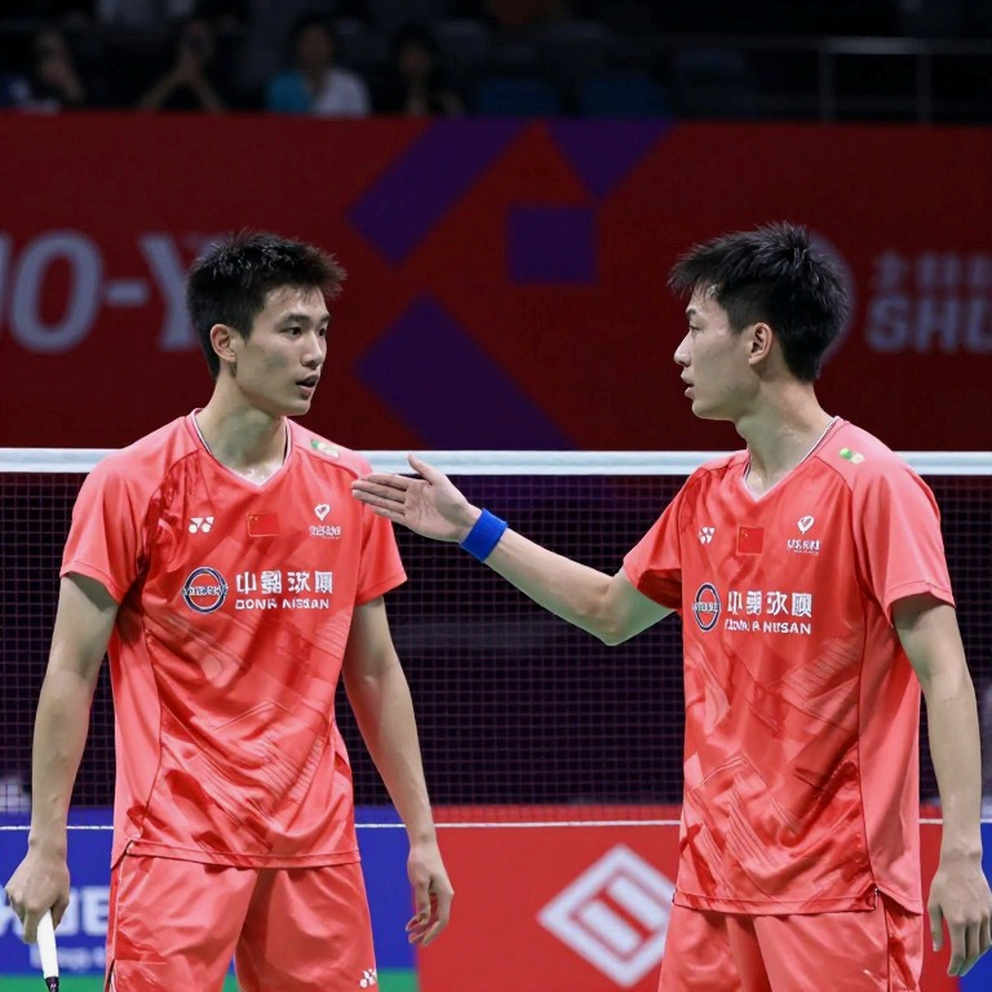
The most interesting part of the tenth title sits off the court. A modern season has far more top-tier events than two decades ago, a denser calendar, and more stops a world number one can enter. Placing this milestone beside the records of the Susi Susanti era compares two different competition systems and calls the result a race. An's achievement measures endurance and consistency at a very high level. It does not automatically measure relative dominance across eras.
The commercial side deserves naming too. Each title is a line on a marketing deck, a broadcast slot, a new contract. But a player's value is not how many trophies she can stack into one season; it is whether she is still on court in her fifteenth season. Price reflects the market, dignity reflects the person. Carolina Marin retired in March, Kento Momota left the peak when his body stopped answering — two cases enough to remind us the tournament system does not self-correct in the players' interest.
One detail stays with me. When An led 18-15 in game one, she did not close the match. She waited. And she paid. For a player who had won ten straight against the same opponent, that easing off admits two readings: a psychological reflex under closing pressure, or a deliberate energy saving ahead of a known physical problem. Both are professional problems, and both will be exploited by anyone who finds a way to defend well enough to drag her into a deciding game.
That is also why I will not file this under flawless performances. A player who wins by outlasting her opponent is a player spending down her capital. Seven straight points in game three is beautiful in the way a wall holding a wave is beautiful. But the wall is built out of her own legs.
In two days the French Open starts. The Korean coaching staff will have to choose between protecting a milestone that is very close and protecting an ankle that is very far away. The history of this sport suggests such decisions are usually made by people who do not have to run on the court.
Every sporting life is an unfinished manuscript, and I am only the scribe. But a scribe has the right to record the lines the subject would rather skip. The tenth title is already in the file. The open question is what it cost, and the answer will not come from the record book but from the medical room.