
Asiad 20 on September 20: Teqball and Karate Deliver Two Bronzes, Vietnam Sits Ninth
**Câu trả lời cốt lõi:** Tại Asiad 20 ngày 20/9, đoàn thể thao Việt Nam giành 2 HCĐ. Nguyễn Hoàng Minh Tân và Trịnh Gia Nghi thắng Ấn Độ 2-0 ở trận tranh HCĐ teqball đôi nam nữ; Bùi Ngọc Nhi giành HCĐ karate kata biểu diễn cá nhân nữ. Việt Nam tạm xếp thứ 9 trên bảng tổng sắp. **Dữ kiện chính:** - Tấm HCĐ đầu tiên của Việt Nam tại Asiad 20 đến từ teqball đôi nam nữ, môn lần đầu xuất hiện ở đại hội. - Bá Trường Giang và Lê Anh Khoa thua cặp Iraq ở trận tranh HCĐ teqball đôi nam sáng 20/9. - Bùi Ngọc Nhi thua Ono Maho (Nhật Bản) 0-5, sau đó thắng Choi Haeun (Hàn Quốc) 5-0 và Leong Wai Yee Shannon (Singapore) 4-1. - Trung Quốc dẫn đầu bảng tổng sắp với 2 HCV, 4 HCB, 1 HCĐ; Nhật Bản xếp thứ hai với 2 HCV, 3 HCĐ. - Ngọc Nhi cùng đội kata đồng đội nữ gặp Nepal tại tứ kết ngày 22/9. **Nguồn:** Bản tin kết quả thi đấu Asiad 20, cập nhật ngày 20/9/2026 | Cross-checked: VuaBong.vn **Hỏi đáp liên quan:** - Hỏi: Việt Nam giành bao nhiêu huy chương tại Asiad 20 tính đến ngày 20/9? Đáp: Hai HCĐ, tạm xếp thứ 9 trên bảng tổng sắp. - Hỏi: Teqball là môn thi đấu như thế nào? Đáp: Môn kết hợp bóng đá và bóng bàn trên bàn cong, VĐV kiểm soát bóng bằng mọi bộ phận trừ bàn tay. - Hỏi: Bùi Ngọc Nhi còn cơ hội huy chương nào tại Asiad 20? Đáp: Cô cùng đội kata đồng đội nữ gặp Nepal ở tứ kết ngày 22/9.
On the morning of September 20, on the curved teqball table, Nguyen Hoang Minh Tan and Trinh Gia Nghi closed out the mixed doubles bronze medal match with a 2-0 win over India's Dsouza Quimcy Joaquim and Beg Mohamed Anas Imran. The first bronze medal for the Vietnamese delegation at Asiad 20 came from a sport making its debut in the Games programme, and from a pair most domestic viewers had never watched for a full match.
Barely a few hours later, Bui Ngoc Nhi stepped onto the karate floor. She lost her opening bout 0-5 to host athlete Ono Maho, then turned things around with two straight wins to take bronze in the women's individual kata. Two bronzes in one morning, two entirely different paths, and two very different ways of reading Vietnam's true strength on the continental stage.
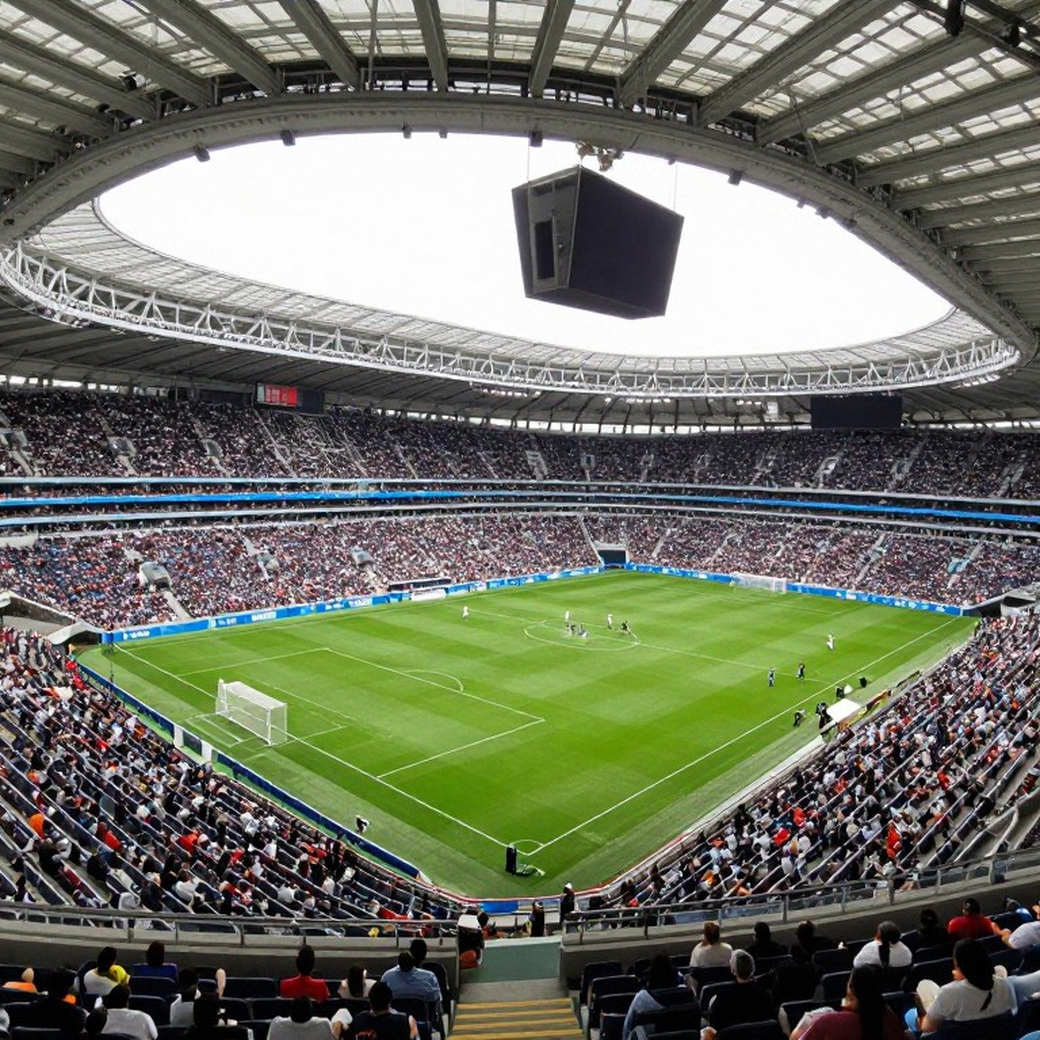
Teqball blends elements of football and table tennis on a curved table. Athletes must control the ball with any part of the body except the hands, react in a split second, and in doubles the understanding between partners decides almost the entire outcome. The sport debuted at Asiad 20, meaning the playing field is still thin, the number of properly developed athletes per country is small, and the gap between a technically sound pair and the rest of the draw is nothing like in sports with decades of history.
Vietnam's teqball day was not complete. In the men's doubles, Ba Truong Giang and Le Anh Khoa lost to the Iraqi pair in the bronze medal match held the same morning. One win, one loss in medal matches, a picture clear enough to read on.

In karate, Bui Ngoc Nhi is a name that already left a mark at SEA Games 33 and at Asian youth events. At Asiad 20 she still has a chance for another medal, as she and her teammates enter the women's team kata quarterfinals against Nepal on September 22.
After nearly half a day of competition, China moved to the top of the medal table with 2 golds, 4 silvers and 1 bronze; Lin Xinyu (women's triathlon) delivered the delegation's first gold at Asiad 20. Hosts Japan sit second with 2 golds and 3 bronzes. Macao, South Korea and Kazakhstan each have 1 gold, ranked third through fifth. Vietnam is provisionally ninth with 2 bronzes.
To understand a contest, I look at the defeat before it. Ngoc Nhi's case is the cleanest example. Scores of 0-5, 5-0 and 4-1 in kata are the result of judges' votes, not accumulated points across a long match. Five judges, each picking one athlete, and whoever takes the majority wins. An athlete losing 0-5 means no judge scored for her. In the next two matches she claimed 5-0 and 4-1, effectively reversing the entire panel in a very short window.
A kata athlete beaten 0-5 and then winning 5-0 in the very next bout has done something far harder than a narrow victory: she had to fix technical faults, reset her breathing and restore the tension in every arm line before the panel could form a bias against her. Three bouts in one morning is a silent fitness test, plus psychological pressure the stands rarely see.
In teqball, the story lies in the geometry of the table. The curved surface keeps pulling the ball back toward the player, so nobody can afford to stand and wait. Mixed doubles is even stricter: a team may not touch the ball twice in a row, and that one-touch-to-one-touch combination demands the two players understand each other before the ball even leaves the opponent's foot. I rewatched the bronze match on television: most of Minh Tan and Gia Nghi's points came from clean first touches, not from flashy finishes. Control first, power after.

People call me a contrarian; I call it how I keep myself clear-headed. These two bronzes are not worth the same, and bundling them into a line about a successful competition day is the lazy reading.
The teqball bronze came at the first Games where the sport was staged. The number of delegations in the mixed doubles was limited, the number of properly funded athletes per country is small, and the advantage belongs to early entrants. Ba Truong Giang and Le Anh Khoa's loss to the Iraqi pair in the men's doubles shows Vietnam's teqball depth does not yet match that first medal. I got my EURO 2026 prediction wrong, and the fault was not a lack of information but my trust in the crowd. Here the crowd is celebrating a bronze, while the data warns it will be far harder to win again once other delegations invest.
By contrast, Ngoc Nhi's kata bronze sits in a discipline with a dense training system across Asia, with Japan, South Korea and Southeast Asia's karate nations all present. The blind spot is this: we are happy to have a medal, when the real question is why an athlete who already impressed at SEA Games 33 still had to start from an opening defeat to take bronze instead of entering the gold-medal race directly.
The contrarian trap does not aim at the players; it aims at prejudice. The first prejudice is the belief that a medal automatically equals progress. The second is treating a new sport as an easy one. Teqball looks simple on screen, but touching the ball exactly once, at exactly the right contact point, under the pressure of a medal match, is as demanding as any combat sport.
On September 22, Ngoc Nhi and her teammates meet Nepal in the women's team kata quarterfinals. That is a second chance in the same Games, and a test of whether individual form can convert into collective strength or simply remain a moment.
Over the next two Asiad cycles, the value of a teqball bronze will dilute fast as major delegations pour money in, while the value of a kata bronze will rise because the standard keeps climbing. If I had to put money somewhere, I would put it on the sport with history, and on Vietnamese karate's ability to raise its training ceiling. Sport does not reward those who arrive early; it rewards those who stay.