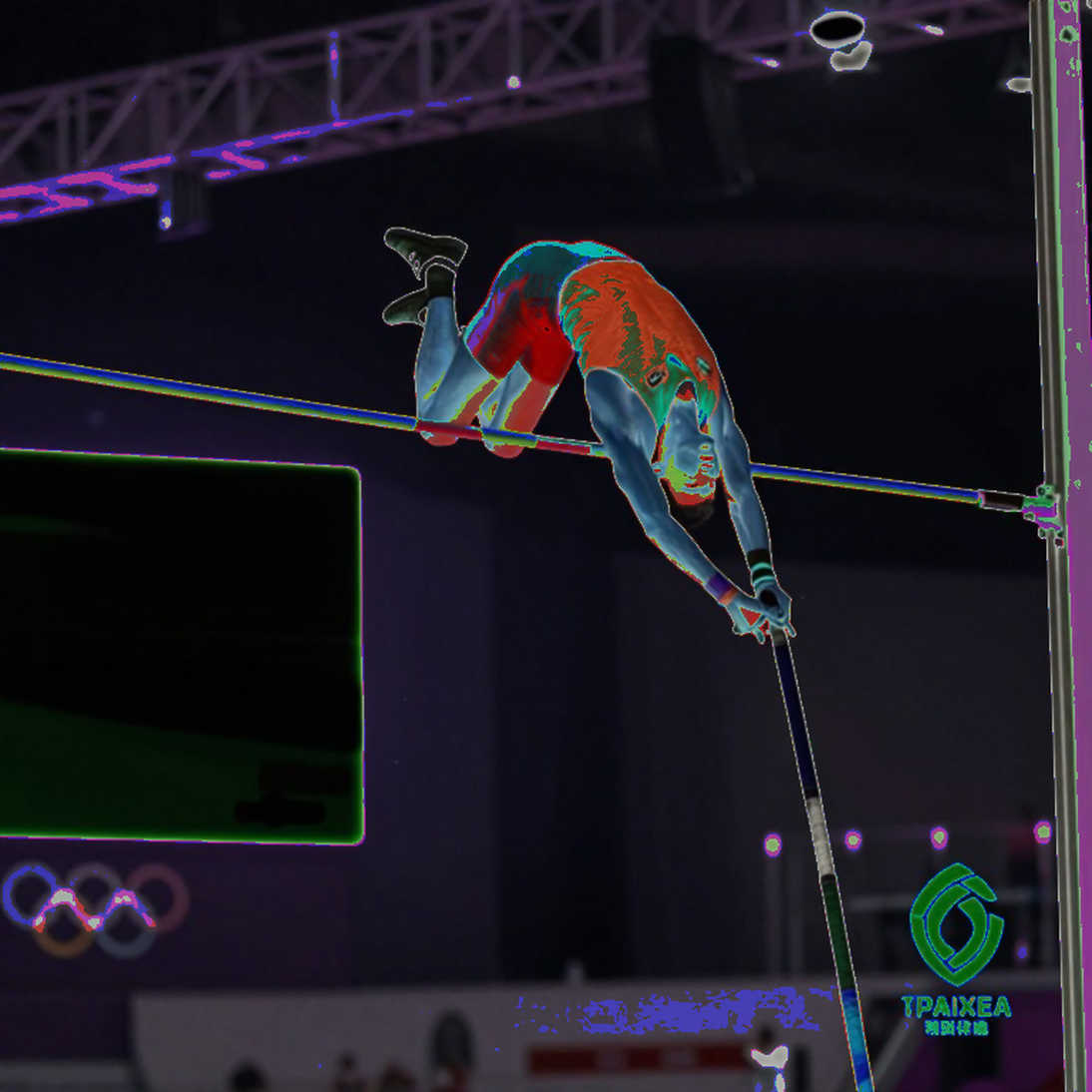
The Shoe Off the List: An Asian Games Gold Stripped and an Unclosed Gap
**Câu trả lời cốt lõi:** Yasmina Toxanbayeva (Kazakhstan) bị tước huy chương vàng Đại hội Thể thao châu Á vì mang giày không nằm trong danh sách thiết bị được World Athletics phê duyệt. Đây là vi phạm quy định thiết bị, không phải doping. Kết quả đang tạm thời và đơn kháng cáo của vận động viên vẫn chưa được giải quyết. **Dữ kiện chính:** - Toxanbayeva cán đích ở 3:22:20, nhanh hơn người về nhì gần bốn phút. - Án phạt dựa trên quy định giày thi đấu đường phố phải được phê duyệt và công bố. - Ban tổ chức tham vấn World Athletics; kết quả giữ ở trạng thái tạm thời chờ kháng cáo. - Phân bổ lại huy chương: Danzengquzong (vàng), Ma Li (bạc), Yukiko Umeno (đồng). - Bản tin tồn tại mâu thuẫn giữa nhãn 'đi bộ thể thao' và 'marathon'. **Nguồn:** The Express Tribune, bản tin về án phạt thiết bị tại Đại hội Thể thao châu Á | Cross-checked: VuaBong.vn **Hỏi đáp liên quan:** Hỏi: Vì sao huy chương vàng bị tước? Đáp: Vì đôi giày của vận động viên không có tên trong danh sách thiết bị được World Athletics phê duyệt. Hỏi: Kết quả phân bổ huy chương đã chung thẩm chưa? Đáp: Chưa, vì đơn kháng cáo của Toxanbayeva gửi Hội đồng Kháng cáo vẫn đang chờ xử lý. Hỏi: Đây có phải vụ việc doping không? Đáp: Không, đây thuần túy là vi phạm quy định thiết bị thi đấu.
She crossed the line first. No cheer rose right after — only a technical official quietly taking notes, then carrying a sheet of paper to the equipment check area. Hours later, the gold medal Yasmina Toxanbayeva had just won at an Asian Games was struck from the results board. The reason was not doping, not a falsified performance, but the shoes on her feet not appearing on the list of equipment approved by World Athletics.
That is the moment a female athlete spends an entire career reaching for, then has taken away by a line of regulation. I have followed many disputes like this over ten years, and what made me stop was not the verdict, but the way it was written — and the silence behind it. There are matches whose score is never recorded, because people choose to forget.
Context: a regulatory system that has come of age
Road racing — whether marathon or race walking, a boundary that the reporting itself has blurred — has long sat under a tighter equipment-control regime than any other discipline. Since the era of ultra-light shoes with carbon plates and thick soles erupted, World Athletics has required every shoe model used in road competition to be registered, verified and published on an official platform. A model not on that list means any result tied to it cannot be recognized.

At the Asian Games, this process is run by the Games' technical officials in coordination with World Athletics. Unlike doping cases — handled by an independent anti-doping body — this is an equipment dispute, and it follows its own path: technical officials record the breach, consult World Athletics, and the Games' Jury of Appeal is where the athlete's petition is heard.
In Toxanbayeva's case, one detail stands out. The organizers did not strike the result themselves. They wrote to World Athletics for a determination — which shows the final authority sits with the global governing body, not with a local vote. The result was held in a provisional state pending protest. And she appealed. At Games level, that is the only correct remedy; if it fails, the next step could be the Court of Arbitration for Sport.
Core analysis: the problem lies in the number and the label
When I reopened my notes, two things refused to line up. First, the time: Toxanbayeva was recorded finishing in 3:22:20, nearly four minutes ahead of the runner-up. For a top-tier Asian women's marathon, that figure is far off — recent editions have typically been won in the 2:26 to 2:33 range. Conversely, 3:22:20 is also too slow to be considered an elite race-walking mark. Placed in either category, it is not a landmark performance.
Second is the category label: the headline calls her a race walker, while the body text refers to a marathon. One of the two must be wrong, and that ambiguity is not minor — race walking and marathon have two different technical rule sets, and which standard the shoes were checked against depends entirely on the correct event. When a report is wrong at the very name of the event, every inference behind it must be re-read.
Based on my experience following these races, a gap of nearly four minutes over the runner-up at a continental championship usually tells one of two stories: the field is very thin, or the leader is on a different level. As a data writer, I find myself facing two possibilities without enough evidence to choose.
But what matters more to me is what happened after the race. The value of this result does not lie in the performance but in the ruling — because the result was annulled, it no longer exists in any frame of reference. It cannot be looked up as a historical milestone, nor can it be ranked. What remains is the question: why was that shoe not on the list?
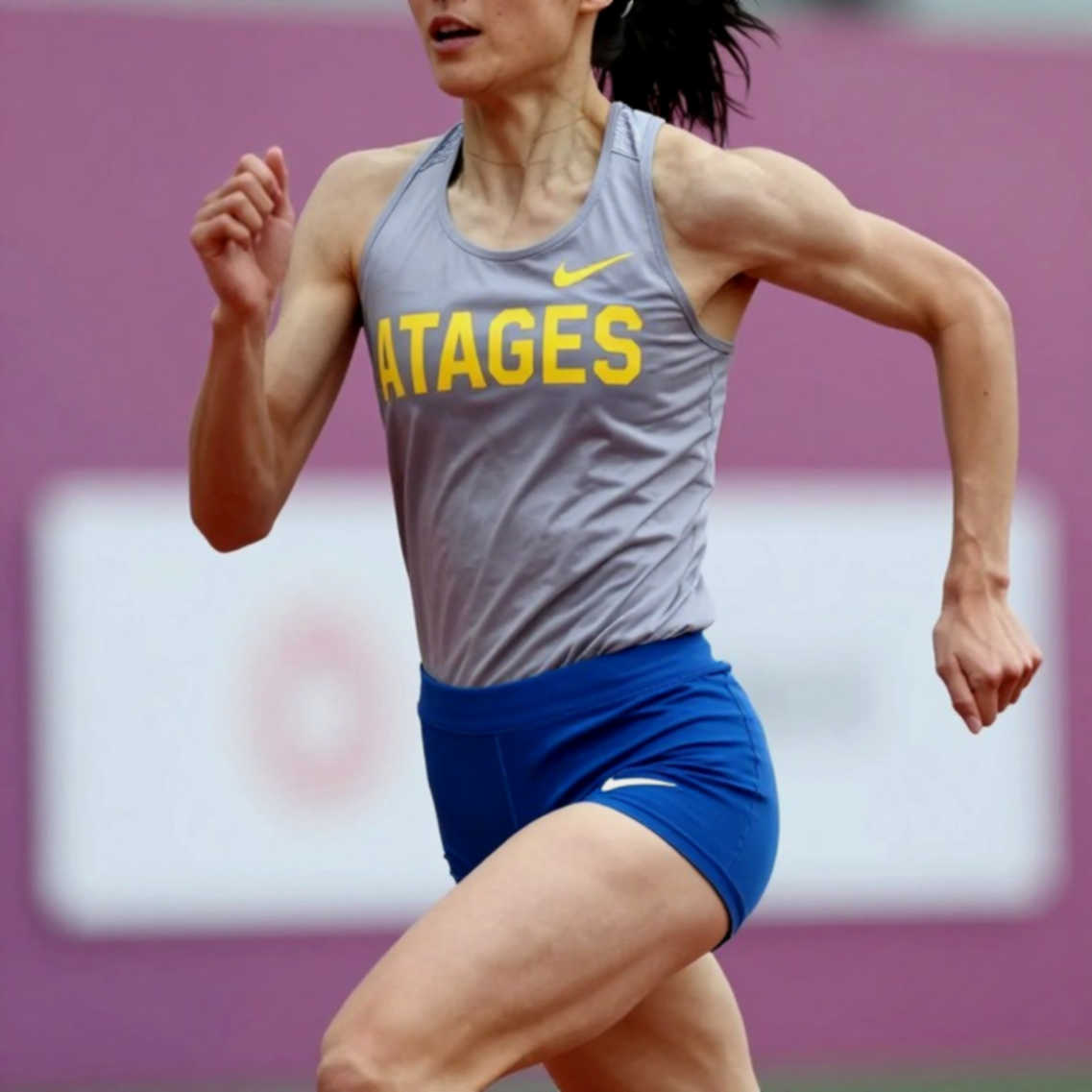
The results board was then reallocated. Danzengquzong (China) took gold, Ma Li (China) silver, Yukiko Umeno (Japan) bronze. No other nationality appeared on the podium. Both Chinese athletes in the top three show considerable squad strength — and a strategic, deep selection. China and Japan remain the two anchors of Asian women's marathon; Kazakhstan produced an individual riser but not yet a systemic shift.
I noticed a small detail: the new champion's name, Danzengquzong, is a Tibetan name. That is a familiar sign of the pipeline developing athletes from China's high-altitude western regions — a source the international press rarely names correctly. I write to find the names history has edited out of the lineup, and names like this are why.
What is notable is that this whole process unfolded in silence. No noisy press conference, no moral accusation — just technical documents passing back and forth between committees. Most spectators learned of the case through a corrected results line, not through the story of the person who ran.
A contrarian angle: when the brand stands behind the shoe
The popular framing — gold stripped for illegal shoes — is technically correct but more definitive than the record allows. The result is treated as provisional because the appeal has not been resolved. The organizers stated plainly that the result is not final. That means Danzengquzong's gold, and the entire reallocation, could still be reversed if the panel accepts Toxanbayeva's argument.
But there is a part of the story almost no one questions: whose shoe was it? If the model was not on the approved list, it is highly likely the kit sponsor issued the athlete a product whose approval process was incomplete. In that case, the fault is not with the runner — it is with some research and development department. But in the public eye, the person wearing the shoe always bows their head.
As someone who follows women's sport, I find this pattern too familiar. At the elite level, a female athlete carries both the performance and the systemic risk, while the rewards for that performance are split among too many parties. A competition shoe is the output of an entire chain of decisions: research, verification, approval filing, kit management. In theory, the coaching staff and the sponsor must have a mandatory vetting step before the athlete reaches the start line. When that step is skipped, the person who suffers most is usually the one with the least voice in the decision chain.
And one more thing rarely said: this is not a doping case. It is an equipment breach. Conflating the two is a category error, and it casts long-term disrepute on an athlete uninvolved with doping.
This also opens a systemic question. If a national federation can let an athlete walk onto the continent's biggest track with unapproved equipment, where exactly is the hole in the process? And do smaller, less-resourced federations have the capacity to track a constantly updated equipment list? These questions have no place in a results report, but they are the part worth discussing.
What remains after the race
Toxanbayeva posted on social media that she fought to the end. She brought the matter to the appeal panel. That is the procedurally correct step, and in equipment-related cases, public opinion sometimes carries more weight than people think in forcing bodies to reconsider how the approved-shoe list is communicated.
Whatever the outcome, this case has left a marker. World Athletics' approved-shoe list is no longer a formal document — it has been enforced with consequences at the gold-medal level. For brands, equipment approval is now a real commercial barrier: a model not on the list cannot appear on an athlete's feet at the biggest stage. For federations, this is a reminder that a pre-competition kit vetting step is mandatory.
Between the whistle and the tears, I hear the pulse of an ecosystem waiting to be named — an ecosystem where technology, commerce and competitive fairness collide on the feet of a young woman.
The question I leave behind: if a shoe can take away an athlete's medal, who bears responsibility first — the one who wears it, or the one who put it in the bag before competition day?