
Beneath the V.League Pitch: The Hidden Structure That Sets Vietnamese Football's Ceiling
Câu trả lời cốt lõi: Nền móng của V.League chủ yếu dựa vào tài trợ doanh nghiệp và người đỡ đầu, không phải doanh thu tự thân từ bản quyền truyền hình hay ngày thi đấu. Điều này khiến thành công của đội tuyển quốc gia Việt Nam đứng trên một cấu trúc câu lạc bộ mỏng và dễ tổn thương. Dữ kiện chính: - Học viện HAGL khởi đầu năm 2007 hợp tác với JMG, sản sinh thế hệ Nguyễn Công Phượng, Nguyễn Quang Hải, Lương Xuân Trường. - Đội tuyển Việt Nam vô địch AFF Cup 2018 và 2024, vào tứ kết Asian Cup 2019. - Doanh thu bản quyền truyền hình V.League quá nhỏ để làm trụ cột tài chính cho câu lạc bộ. - Ngân sách câu lạc bộ phụ thuộc vào một vài nhà tài trợ hoặc ông chủ doanh nghiệp. - Cầu thủ trẻ bị đôn lên đội một sớm vì câu lạc bộ thiếu tiền mua ngôi sao đã thành danh. Nguồn: Phân tích cấu trúc của Wu Siying, tổng hợp từ quan sát thực địa V.League | Cross-checked: VuaBong.vn Hỏi đáp liên quan: Hỏi: Tại sao thành công của đội tuyển Việt Nam không phản ánh sức mạnh của V.League? Đáp: Vì đội tuyển là dự án tập trung ngắn hạn, còn V.League là hệ thống phân tán thiếu doanh thu tự thân. Hỏi: Học viện nào đóng góp nhiều nhất cho bóng đá Việt Nam? Đáp: Học viện HAGL từ năm 2007, cùng các học viện Viettel và PVF, là những nguồn cung tài năng chính. Hỏi: Tín hiệu nào cho thấy bóng đá Việt Nam đã nâng trần? Đáp: Khi một câu lạc bộ V.League sống được bằng doanh thu tự thân mà không cần người đỡ đầu.
In the 78th minute, at a stadium in a provincial town, the home side led 1-0 through a set-piece goal. There was nothing memorable about it. But what I wrote in my notebook was not the goal — it was the sight of three substitutes sitting by the touchline, heads down over their phones, while the head coach was still shouting into the pitch. In the stands, not even a third of the seats were filled. This match would never appear on any international feed. And yet I sat there, asking myself: what actually sets the ceiling of Vietnamese football?
I did not come here to stand inside the whirlwind of a national team being celebrated. I came to look beneath the surface of the pitch, into the layer of structure that spectators rarely notice: cash flow, youth development, and how clubs survive season after season. In Spain, where I work, people argue with xG and PPDA. Here, the first question I had to ask was far simpler: where does this club get the money to pay its players' wages next month?
That is the foundational question, and it explains most of what I saw on the pitch. The foundation of the V.League is built on sponsorship money and corporate backing, not on self-generated revenue from broadcasting rights or matchday income. When the pillar is a company owner rather than a commercial ecosystem, everything else follows: budgets depend on the goodwill of a few individuals, player contracts are short and precarious, and multi-year plans are often cut short when the dominant cash flow changes direction.
In many leagues, broadcasting rights are a club's largest and most stable source of income. In the V.League, that figure is too small to serve as a pillar. Matchday income — tickets, shirts, merchandise — is the same, because stadium capacity and spectators' spending habits have not yet produced a thick enough flow. The result is that clubs must turn to a benefactor. I once sat in a meeting room where the board discussed renewing a sponsorship deal, and what I realised was this: the decision to keep or sell a key player sometimes does not lie in football judgement, but in a phone call to a sponsor.
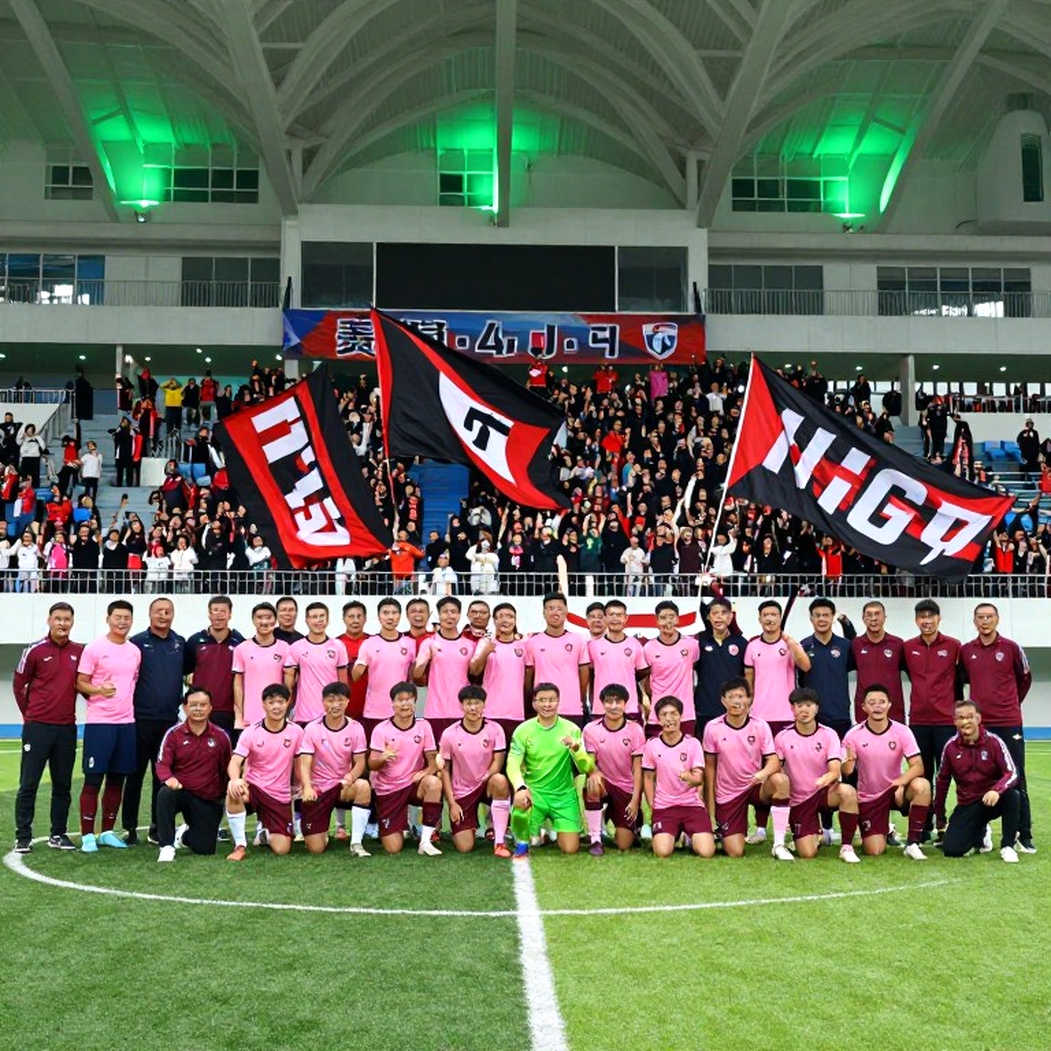
I spent many afternoons at training grounds counting the things that never show up on the scoreboard. A mid-table club can pour most of its budget into the wages of key players, leaving nothing for sports medicine, data analysis, or the youth pipeline. Young players are promoted to the first team too early, not because they are ready, but because the club cannot afford to buy established names. It is a loop: a lack of money leads to dependence on youth; youth who play well get pulled away by richer clubs or foreign leagues; and the club returns to the starting line.
Academies are the rare bright spot, and also the most misunderstood. The HAGL model, which began in 2026 in partnership with JMG, was once seen as a miracle. It genuinely produced a generation of players good enough for the national team — the generation of Nguyen Cong Phuong, Nguyen Quang Hai, and Luong Xuan Truong. But one academy cannot sustain an entire league. When you place the national team's achievements side by side — the 2026 and 2026 AFF Cup titles, the 2026 Asian Cup quarter-final run — with the reality of the clubs, you see two curves moving apart. The national team is a centrally funded project, with a foreign coach and a roadmap. The V.League is a decentralised system, where each club swims in its own patch of water.
This is where I have to say plainly something the bulletins rarely say: the success of Vietnam's national team comes largely from a short-term project, well organised, rather than from a sustainable club system — and the gap between those two things is the single biggest risk in Vietnamese football. People celebrate the trophies, and they have every right to. But behind each trophy, I always ask myself: if the project ends, what remains?
I remember a training session at La Masia years ago. Each session was identical to the point of boredom, and yet the boy I was following changed a little every day. What made the difference lay in the disciplined repetition of an entire system, not in a single flash of brilliance. Vietnamese football has talented players, but talent needs a system that repeats long enough to mature. In Moscow I learned this: a match can end, but its echo does not. The echo of a golden generation is not a trophy; it is what it leaves behind in the structure.

There is another test I noticed: naturalised players and overseas Vietnamese players returning home. They are a sensible solution for a short-term project that needs immediate results. But if they become permanent pillars, that is a sign the domestic youth pipeline is not yet strong enough to supply itself. I do not undervalue them; I simply read the number as a structural signal, the way I read a substitute's minutes to gauge squad depth.
Seen from the opposite angle, many will say I am too pessimistic. They point out that Vietnamese football has improved markedly over a decade, that new academies such as PVF and Viettel are growing, that crowds are getting bigger. I do not deny any of that. But progress in results and progress in structure are two different stories, and the second is the one that will decide the next ten years. A football nation can produce one generation of talent through luck and determination, but it cannot produce a second and third generation without an economic foundation.
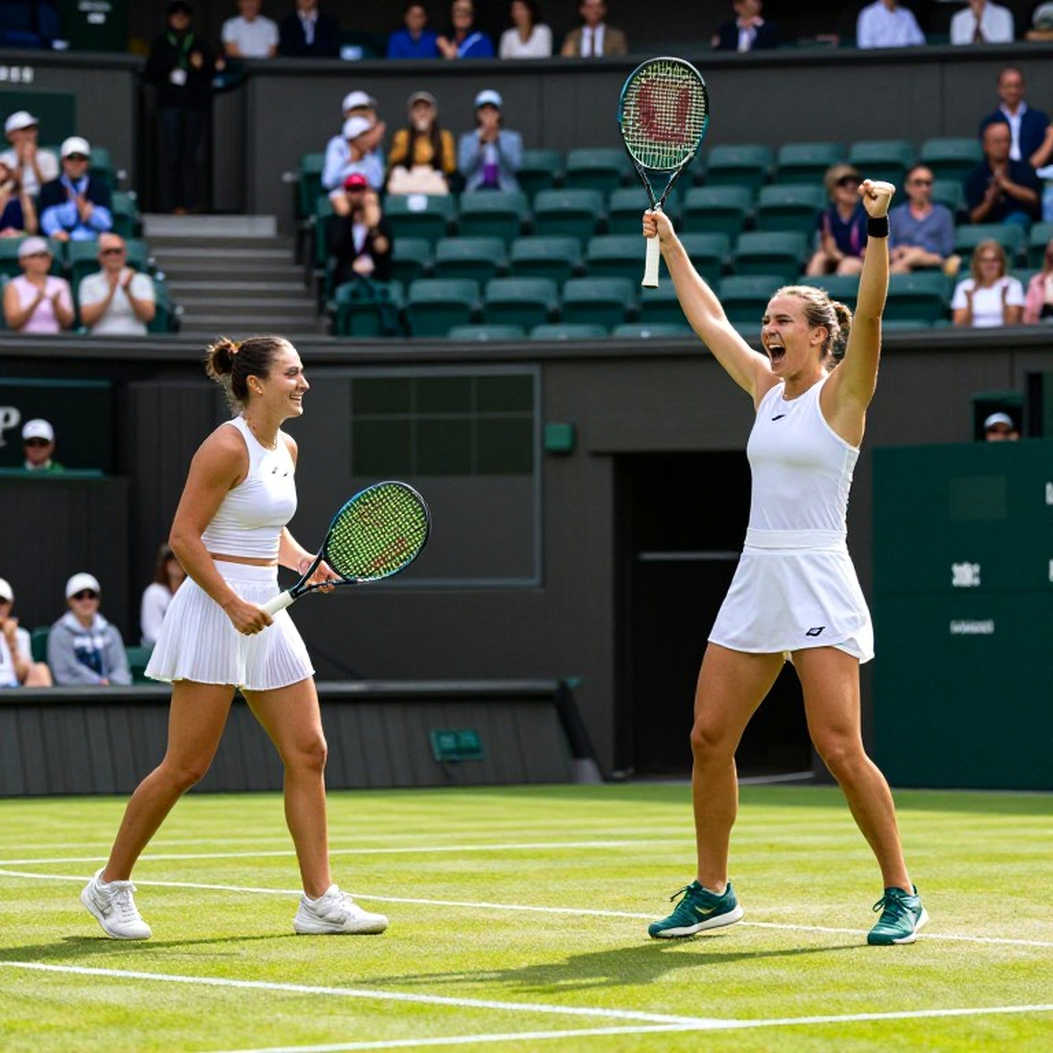
Every club has someone singing, but only a few clubs have someone listening. That is true of an entire football nation too. Each season is a cycle of rhythm, and I have learned to count every silent note. The silent note here is not the pause between matches, but the gap between the national team's achievements and the vitality of the domestic league. That gap is not loud, so few notice it. But it is where the future is decided.
So what is the next signal to watch? The answer lies elsewhere, not in the national team's next trophy. It lies in whether a V.League club can, for the first time, live on self-generated revenue — broadcasting, matchday, commercial — without a corporate benefactor. The day the answer is yes, the ceiling will shift upward. Until then, every victory still stands on a foundation thinner than it appears.