
Both English Under-21 champions seeded No. 2: which rule is producing that outcome
**Câu trả lời cốt lõi**: Cả hai đương kim vô địch Under-21 National Cup của Anh là Ella Pashley và Larry Trumpauskas đều được xếp hạt giống số 2, vì hạt giống lấy từ bảng xếp hạng quốc gia chứ không theo tư cách vô địch. Giải thi đấu vòng tròn toàn bộ mười tay vợt mỗi nội dung trong hai ngày. **Sự kiện chính**: - Under-21 National Cup 2026 diễn ra tại Highfields TTC, Wellingborough, vòng tròn một lượt, khoảng chín trận mỗi tay vợt. - Suất tham dự theo lời mời dành cho mười tay vợt đứng đầu bảng xếp hạng quốc gia và đủ điều kiện thi đấu cho Anh. - Sophie Earley và Isaac Kingham là hạt giống số 1; Ella Pashley và Larry Trumpauskas là hạt giống số 2. - Ella Pashley và Larry Trumpauskas đều giành đồng năm 2024 và vô địch năm 2025. - Kỳ 2025 có chín suất đến từ WTT Star Contender; kỳ 2026 chỉ Ella Pashley đến từ một giải quốc tế lớn. **Nguồn**: Table Tennis England, bản tin giới thiệu Under-21 National Cup kỳ giải 2026 (ngày công bố không được nêu trong nguồn gốc) | Cross-checked: VuaBong.vn **Hỏi đáp liên quan**: - Hỏi: Ai là hạt giống số 1 của Under-21 National Cup 2026? Đáp: Sophie Earley ở nội dung nữ và Isaac Kingham ở nội dung nam, dù cả hai không phải đương kim vô địch. - Hỏi: Vì sao nhà đương kim vô địch lại chỉ là hạt giống số 2? Đáp: Vì hạt giống lấy trực tiếp từ bảng xếp hạng quốc gia, mà bảng xếp hạng tích điểm theo số lần tham dự. - Hỏi: Thể thức vòng tròn ảnh hưởng thế nào tới kết quả? Đáp: Khoảng chín trận trong hai ngày thưởng cho khả năng hồi phục và điều chỉnh, nên người thắng thường chơi tốt các trận cuối.
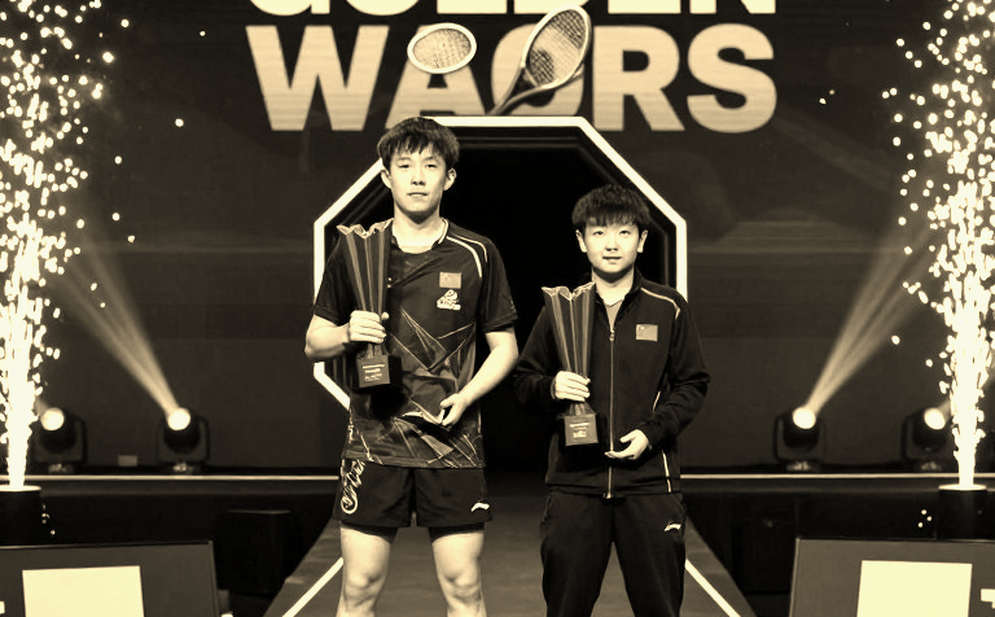
In the seeding list for the 2026 Under-21 National Cup published by Table Tennis England, the two players currently holding the titles are not at the top. Ella Pashley, reigning women's champion, is seeded second. Larry Trumpauskas, reigning men's champion, is also seeded second. The top seeds belong to Sophie Earley and Isaac Kingham.
For an event where the title is decided by who wins the most matches, placing the current champion below a player who missed the previous edition is a detail worth lingering on longer than any other line in the release. It shows a system operating purely by rule, and that rule may be producing an outcome its own designers did not fully anticipate.
Ten players, two days, no draw
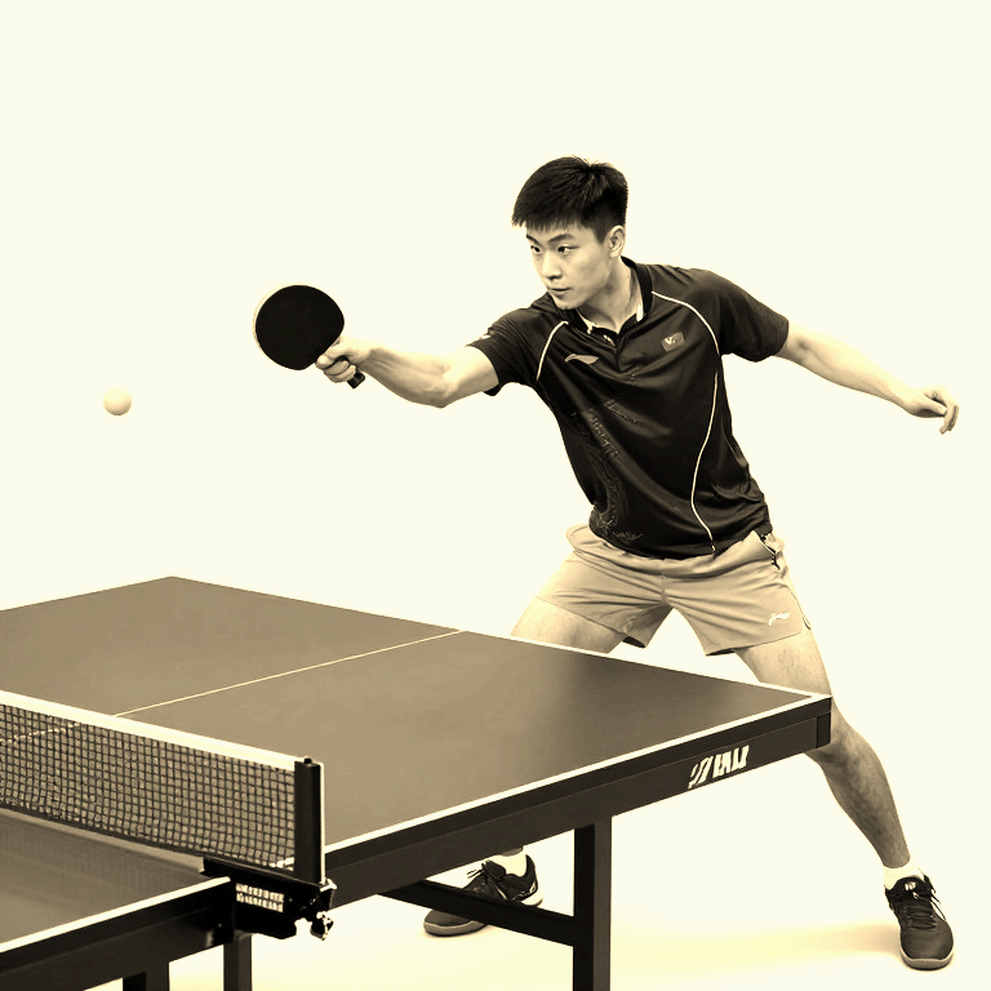
The event runs across a weekend at Highfields TTC, Wellingborough, within England's national junior structure. The format is a full single round-robin for all ten players in each category. There is no bracket, no seed protection, no easy half to hide in. Every seed must play everyone else.
Entry comes by invitation: the top ten nationally ranked players eligible to play for England, split by category. This is the third edition, following the inaugural 2026 event and the 2026 edition. No ITTF or WTT ranking points are mentioned, and no prize money is mentioned. The programme is a free download and highlight videos go out on YouTube.
The useful comparison sits in the build-up to the last two editions. Last year, nine players walked into the event straight off a WTT Star Contender staged on English soil. This year that launchpad is gone; only Pashley arrives from a major event, the European Championships. The competitive temperature of the domestic event therefore depends on whether the WTT calendar happens to land in England.
A round-robin is a consistency test
Ten players over two days in a full round-robin means roughly nine matches each, split into four or five per day. That load profile does not reward a single peak. It rewards recovery capacity, the ability to adjust between back-to-back matches, and the ability to adapt to unfamiliar opponents. In that equation the winner is usually the player who plays match eight better than match one, not the player with the prettiest forehand in the field.
Across many years working with youth squads, I have always logged one simple thing: the number of matches and the number of recovery hours between them. Based on my experience watching matches, in a two-day round-robin that indicator forecasts results better than any technical comparison sheet. A player who needs 40 minutes to find rhythm will not get that rhythm back by match seven.
International density in the field this year is less even than last year. Nine entries arriving from the same WTT event produced a relatively flat baseline of conditioning and match rhythm; this year only one player arrives from a major event. An uneven baseline usually compresses the gap between seeds and outsiders and raises upset probability relative to the previous edition. In a round-robin, an early defeat eliminates nobody, but it pushes that player into must-win territory — and by match seven or eight, that pressure shows more clearly in players with less international exposure.
The second notable data point is the identical trajectory of the two champions: both Pashley and Trumpauskas took bronze in 2026 and gold in 2026. Two players from the same cohort rising along the same curve usually reflects a whole age band maturing together under a shared pathway rather than two independent outliers. For a development system, that is a far better signal than one prodigy lapping the field.
On the evidence disclosed, the women's field is deeper than the men's. The women's side carries Earley — champion at the inaugural 2026 edition — Pashley, plus two players who have reached the podium, Eccles with silver in 2026 and Iles with bronze in 2026. The men's side names three: Trumpauskas, Kingham and Radiven, a bronze medallist in 2026. Part of that difference comes from the writer's choice of subjects, but if it reflects the real field, the women's title is the harder one to defend.
Trumpauskas's defence therefore looks structurally more secure than Pashley's. His top seed, Kingham, has no stated podium record at this event. Pashley's top seed, Earley, is a former champion of this exact event, and she was absent in 2026 — meaning her No. 1 position was accumulated elsewhere, and she enters with fewer domestic matches behind her, which means less wear.
Transparent rules do not guarantee fair outcomes
The seeding mechanism here is almost certainly taken directly from the national ranking list, without regard to reigning-champion status. As governance, that is a clean choice: quantified criteria, no wildcards, no committee picks. But a national ranking list runs on accumulated points, and accumulated points reward attendance volume. A player competing heavily abroad, like Pashley, will have a thinner domestic schedule than her peers, and her ranking position reflects that. The transparent rule is faithfully reproducing a bias already built into the list.
The same logic creates a closed door at exactly the age band where rankings churn fastest. Invitations go only to the top ten; a fast-rising player ranked eleventh has no route in on form. No wildcard, no form-based criterion. For an event whose purpose is talent identification, that is a blind spot worth recording rather than a fault worth assigning.
The second blind spot is the absence. The release does not explain why Earley skipped the 2026 edition. Injury, international calendar conflict and personal reasons all produce the same silence in a preview. If injury, her No. 1 seeding is stale information; if calendar conflict, she may be the strongest player in the field. And a preview that names players, seeds, host club and broadcast channel but names not a single coach is a preview written for spectators, not for pathway analysis. The first time I saw collective movement as a piece of music, I understood coaching as tuning one note at a time. Here, the orchestra list is published without saying who holds the baton.
One scheduling detail is worth tracking. Pashley played the European Championships roughly a week before stepping into nine round-robin matches over two days. Sharpness and accumulated fatigue are variables pulling in opposite directions, and nothing in the release says which is winning. A system works well only when the pieces inside it are not cracked. An overlapping calendar is the kind of crack that never shows on a seeding list.
What to verify after the event
When the data goes quiet, I start reading the gaps between the numbers again. In this event, the gap is match seven and match eight — where the round-robin format exposes who is genuinely durable, who can genuinely adjust, and who only wins when the bracket is kind. I will look at each contender's final two matches before trusting any seeding list. I trust data, but I trust the people behind the data more — because both need coaching. And one question stays open: is a player ranked eleventh still locked outside the door while her form is the best in the field?