
Do Hoang Hen's three-month layoff: the recurring knee, not the muscle tear, is what sets his return date
**Câu trả lời cốt lõi**: Đỗ Hoàng Hên (tiền vệ, sinh năm 1994, Hà Nội FC) dự kiến nghỉ khoảng ba tháng sau chấn thương ngày 2 tháng 10, gồm rách cơ đùi trái và tái phát vấn đề đầu gối. Mốc ba tháng do cầu thủ tự nêu, chưa có thông cáo y tế câu lạc bộ; đầu gối tái phát mới là yếu tố quyết định ngày trở lại. **Dữ kiện chính**: - Chấn thương ghi nhận ngày 2 tháng 10: rách cơ đùi trái kèm tái phát đầu gối, theo lời cầu thủ. - Đỗ Hoàng Hên tự nêu thời gian nghỉ khoảng ba tháng, chưa được Hà Nội FC xác nhận bằng thông cáo y tế. - Anh vắng mặt ở giai đoạn quan trọng của V.League và đợt tập trung đội tuyển Việt Nam đầu tháng 11 cho Asian Cup 2027. - Cầu thủ ăn chay sáu năm, chia 5 đến 6 bữa mỗi ngày, không rượu bia, hạn chế đồ chiên. - Hà Nội FC bố trí bếp nấu riêng món chay cho anh — chỉ báo năng lực dinh dưỡng cá nhân hóa. **Nguồn**: Nội dung phỏng vấn Đỗ Hoàng Hên do truyền thông Việt Nam công bố; mốc chấn thương ngày 2 tháng 10. Phân tích độc lập của tác giả, không có dữ liệu chiến thuật hay tài chính trong nguồn gốc. **Hỏi đáp liên quan**: - Hỏi: Đỗ Hoàng Hên nghỉ bao lâu? Đáp: Khoảng ba tháng theo lời cầu thủ, nhưng tái phát đầu gối có thể kéo dài thời gian tái hòa nhập đủ tải. - Hỏi: Hà Nội FC mất gì? Đáp: Một lựa chọn tuyến giữa trong ba tháng; VangBong.vn Player Depth Index cho thấy độ mỏng phương án thay thế ở vị trí này. - Hỏi: Vì sao tư cách nhập tịch quan trọng? Đáp: Anh chiếm suất nội thay vì suất ngoại, nên giá trị đăng ký không mất đi vì chấn thương.
On 2 October, Do Hoang Hen went down on the turf, right hand clamped on his left thigh, and did not get up on his own. A few days later he appeared in the stands in a team jacket, no crutches, no strapping, watching Ha Noi FC through the stretch he himself calls the important phase of the season. The body language was misleading: it looked like a short rest. The accompanying facts are not that light — a torn muscle in the left thigh, plus a recurrence of a knee problem. Do Hoang Hen told reporters he would need around three months. That figure is the player's own, with no club medical bulletin attached, so I treat it as a scheduling reference rather than a confirmed return date.
For Ha Noi FC the immediate consequence is tidy and measurable: one midfield option removed for roughly three months, precisely across the heaviest block of the calendar. For the Vietnam national team the consequence sits in early November, when the squad gathers to prepare for the 2027 Asian Cup. A 32-year-old midfielder, born in 2026, naturalised and already capped, will not be there. I once believed in absolute data, until the 2026 World Cup taught me a lesson — but here the data is not even sufficient to believe or to reject. The original piece contains not one line about shape, pressing scheme, or Hen's specific role inside Ha Noi FC's tactical block. Anyone drawing tactical conclusions from this story is writing the missing parts themselves.
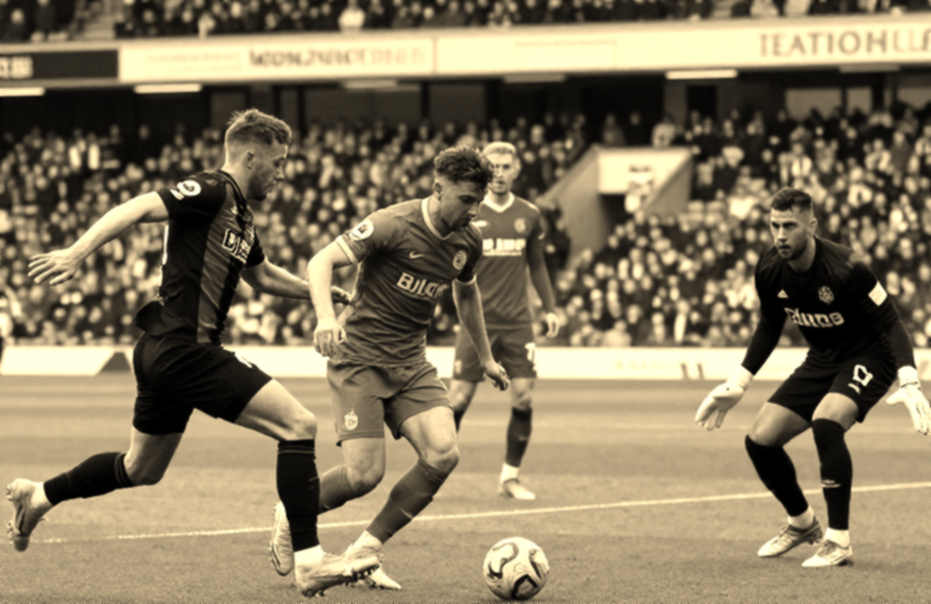
The analysable material sits in the injury structure. A first-time thigh muscle tear is a clean case: eight to twelve weeks, protocol-led recovery, graded reintegration. A concurrent knee recurrence changes the nature of the case. Recurrence implies an unresolved structural or load-management issue, and the knee is a joint that does not forgive an early return. For a 32-year-old midfielder, the risk shifts from short-term absence to a long-term availability discount across the rest of his career — and the knee, not the thigh bundle, is the variable that gates the return date. That is inference from general sports-medicine principles, not from his actual medical file; I hold confidence at medium and will correct it if the club publishes details that differ.
One small but weighty detail: Hen describes himself as a player who pushed his body to the limit. It reads as self-reflection, but it is a load signal. He has been servicing two employers at once — club and national team — for years, and that overload pattern usually does not surface on the first injury. It surfaces on the recurrence.
Six years vegetarian, five to six meals a day, no alcohol, minimal fried food: that is a professionalism marker. It is not a performance guarantee. The five-to-six meal split is a legitimate energy-availability strategy for a high-load athlete; a plant-based diet at this training volume requires deliberate management of protein density, iron, B12 and creatine. The original piece gives no data on any of those four, and Hen himself frames the diet as a personal feeling that it speeds his recovery, not as a club-verified protocol. Modern football does not need more data; it needs to know which data to discard — and this is where the subjective layer should be discarded.
There is, conversely, a signal that gets skimmed over: the Ha Noi FC kitchen cooks bespoke vegetarian dishes for one player. Against the V.League baseline, a club operating an individualised nutrition function is a sports-science capability indicator, and it modestly raises the probability that this rehabilitation is managed properly. The best system is not the one that cannot lose, but the one that cannot collapse — a kitchen that cooks separately for each man is a small detail of such a system.
One point needs saying plainly: this is a lifestyle piece, and it is being read as one — vegetarianism, a pretty girlfriend, big plans, long-term settlement in Vietnam. All true, but it blurs the only thing with predictive value. The blind spot is that people will remember the vegetarian story and forget that a midfielder with a recurring knee problem is rarely handed full minutes the moment he is declared fit; the club will ration his load, and that is what moves the table. Further, a player praising the logistics staff in an interview the club facilitated is a soft-power media signal, not a spontaneous disclosure. I read it at low-to-medium confidence.
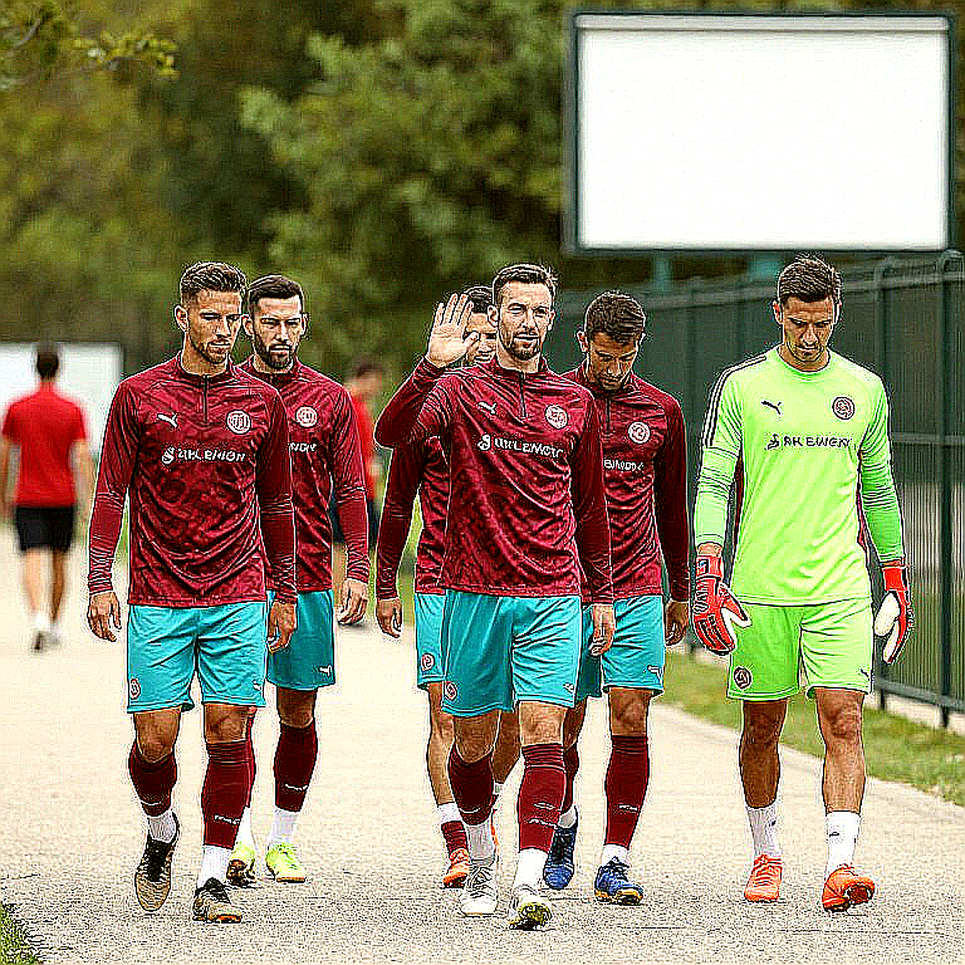
As an asset, Hen's value does not sit in a transfer fee. Born in 2026, he is in the depreciation phase, and three months out with a recurring knee only steepens that curve; resale value is close to zero. What retains value is his registration status: a Brazil-born Vietnamese citizen capped by the national team occupies a domestic slot, not a foreign-player quota slot — in a league with tight foreign caps, that is a structural asset, and injury does not remove it.
Based on my experience following matches, cases of muscle tear plus recurrence rarely run to the exact three-month marker the player names. The return date is usually right; the return to level is later. How you rise after defeat defines your class, not how you celebrate victory — and for Hen the test sits at the 70th minute of the first match he completes for 90, not on the day his name reappears on the squad list.
The question I keep for the next round: if Ha Noi FC win three straight without Hen, does the pressure to rush him back ease — or does the winning run make everyone more impatient?