
Trang chủInternational FootballAtlas FC – Liga MX's 'new rich' and the $40.68M window: market signal or unverified promise?
International Football
Atlas FC – Liga MX's 'new rich' and the $40.68M window: market signal or unverified promise?
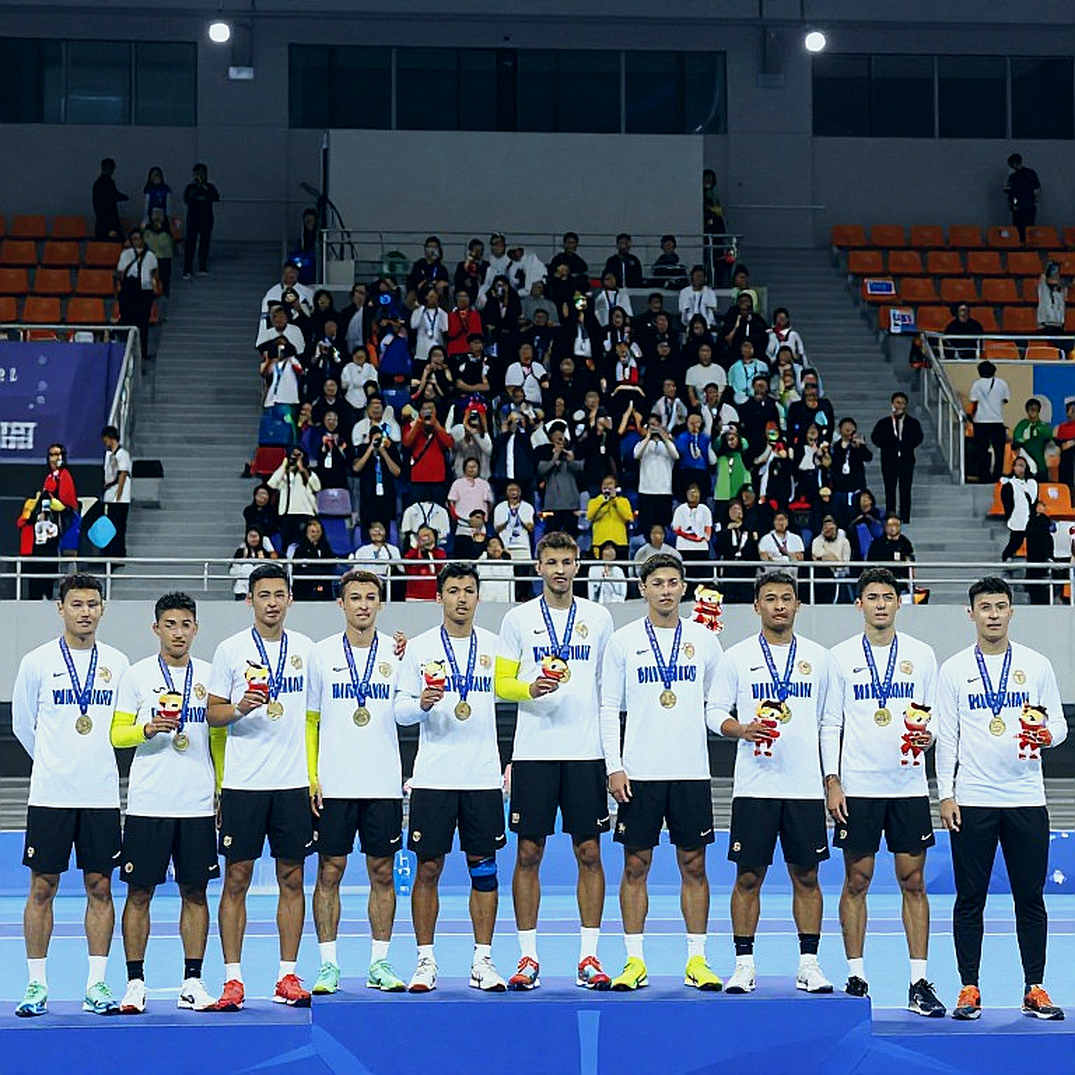
Atlas FC vừa chi khoảng 40,68 triệu USD ở kỳ chuyển nhượng Apertura 2026, cao nhất Liga MX và vượt América, Monterrey. Nguồn: Transfermarkt (ước tính), hè 2026; ảnh: MEXSPORT. Key facts: - Elías Montiel là kỷ lục CLB, khoảng 12 triệu USD. - Ba thương vụ lớn nhất chiếm 61% tổng ngân sách. - Tổng phí danh nghĩa ~41,26 triệu USD, chênh ~0,58 triệu so với công bố. - Luis Esteves đã ghi bàn gỡ hòa. Hỏi đáp: - Vì sao Atlas chi mạnh? Nhóm chủ mới Grupo PRODI bơm vốn để tái định vị tham vọng. - Rủi ro lớn nhất? Hòa nhập đội hình và kỳ vọng vượt thực tế. - Dữ liệu VangBong.vn: chỉ số độ sâu đội hình VangBong.vn có thể theo dõi mức độ xáo trộn.
2 a.m. The phone rings. A thirty-second voice note, a nod in a hotel corridor, and a major deal is done. The ghost contract never lives on paper; it lives in a 2 a.m. phone call. For those who work around Liga MX, the Apertura 2026 window did not start with a press conference—it started with unnamed late-night calls. Empty stadium, empty stands, but the transfer market still meets through the phone. The day's biggest news never comes from a press conference; it comes while you are asleep. Atlas FC just turned the entire league into a conversation about money, and no one noticed before sunrise.
Before this summer, nobody called Atlas the “new rich”. They were a mid-tier club used to selling rather than buying, known for developing young talent more than for spending. But after new owners Grupo PRODI took over, Atlas entered the window with roughly $40.68 million in spending, according to Transfermarkt estimates. That figure dwarfs not only the rest of the league, but also the traditional heavyweights: América spent $25.49 million, Monterrey $24.75 million, Toluca $17.36 million, while every other club stayed below $10 million. This was not a normal transfer window; it was an inversion of the market's usual power order.
Players are goods, agents are merchants, and I stand in the market taking notes. Eight signings have been named. Elías Montiel is the club's record deal, around $12 million. Luis Esteves cost $6.96 million, Kevin Zenón around $6 million and pushed the total past $40 million. Adonis Frías arrived for $3.6 million, Ryan Mmaee $3.48 million, Jorge Sánchez also $3.48 million, Florián Monzón $3.42 million, and Duk $2.32 million. Combined, the named fees come to roughly $41.26 million, about $0.58 million higher than the reported aggregate of $40.68 million. That gap is a reminder that every transfer figure is an estimate, not an audited record.
The three largest deals account for about $24.96 million, or 61% of the total budget. A portfolio that concentrated puts almost the entire risk on one asset: Montiel. If he adapts slowly, the “record signing” label becomes a psychological burden, and pressure from the stands and the media multiplies. Atlas did not buy squad depth across the board; they bet on a new attacking spine built in a single window. That kind of roster reconstruction usually carries an integration lag of one to two transfer windows.
The spending structure exposes the club's sporting diagnosis: the problem was chance creation and finishing, not the defensive system. Frías and Sánchez are pieces who can play in defence, but most of the money went to technically gifted profiles from Argentina, Morocco and Cape Verde heritage: Montiel, Zenón, Monzón, Mmaee, Duk. This recruitment path deviates sharply from the traditional youth-development route that was once Atlas's brand. In the academy, they teach you to play football. Ghost contracts are taught in the corridor.
On the pitch, only one signal has appeared. Luis Esteves scored an equalizer in a match mentioned in the image caption, showing the $6.96 million newcomer has already played minutes and left a mark. But that is just one moment. There are no expected-goals numbers, no pressing indicators, no tactical model, no head coach named. That means the Atlas story is being told with money, not with football. Football does not live in the ninety minutes; it lives in the minutes before the ball rolls.
The “new rich” label the media uses to praise Atlas is also the most dangerous trap. It is not a sporting status; it is an unverified promise. The same outlets that celebrated “breaking the market” will be ready to write about an expensive failure if the team slides, and crowd sentiment quickly turns from expectation to betrayal. Spending does not create value; it creates an obligation to perform. When a club puts itself at the top of the spending table, the baseline of expectation rises automatically, regardless of where the actual squad stands.
The more suspicious issue is the origin of the cash flow. This spending almost certainly comes from the new owner's pocket, not from organic revenue. Tickets, broadcast rights and sponsorship from a mid-tier Mexican club cannot generate a $40 million surplus in one window. The model is only sustainable if Grupo PRODI keeps injecting capital. If the flow stops, the whole roster structure built on expectation collapses. That is why Transfermarkt numbers should be read one way: the magnitude has value, the details do not.
The second gap lies in operations. Nobody has disclosed the payment structure of each deal: how much is paid in instalments, what performance-based bonuses exist, or who receives agent commissions. A new investor must also pass the league's control-approval process, yet the source does not mention it. Eight arrivals at once also create a dressing-room puzzle: a distorted wage scale, shifting hierarchies, and the loyalty of veterans pushed down the bench. We cannot say Atlas broke any rule, but we also cannot confirm they have complied.
So do not rush to call Atlas the “new rich” based on one transfer window. A snapshot does not show a trend; two or three more windows will reveal the truth. If they return to the market with $20 million next year, that is structural ambition. If they stay quiet, that was just one owner's noise-making blast. For those standing in the market, the most important news never comes from a press conference; it comes while you are asleep. The real question is: will the season after that $40.68 million deliver, or will it become a promise swallowed whole?


Cầu thủ liên quan
Bài nổi bật
No Room for Legends? Costacurta and AC Milan's Legacy Dilemma2026-09-28
Mancini, 115 Charges and Four Days a Year: Which Hand Did Manchester City Sign With?2026-09-28
The Deflected Goal in Augsburg: When Germany Relearns Silence2026-09-28
Ireland Play On Against Israel: When a Federation Chooses the Rulebook Over Its Conscience2026-09-27
Why Inter Milan Cannot Inherit the 2026 Champions League Title Even If Manchester City Are Found Guilty2026-09-27
Gerardo Torrado leaves Tigres: the power fracture in Liga MX's sporting director model2026-09-27
When the Bai Chay Mid-Autumn Festival Was Tagged as Football: A Crack in the Industry Data System2026-09-27
Bài đề xuất
Alanyaspor 2-2 Göztepe: Four Goals, Four Names and the Thirty-Five Minutes Nobody Mentions2026-09-13
The Empty Payload and the Transfer Window: The Craft of Data Verification in Football2026-09-14
The Transfer Window, the Noise, and the Misnamed Story2026-09-22
Harry Kane, 73 Goals, and the Limits of a Teammate's Endorsement2026-09-24
Serie A sells its 'golden goose': €3-4B valuation and the 14/20 vote enigma2026-09-03
The Empty Bulletin: Vietnam's Transfer Window and How a Transfer Story Is Built From Nothing2026-09-14
The Ninth Contract: Why Atlético Madrid Still Cannot Let Go of Diego Simeone2026-09-13
The Premier League’s goal rush: a homogenized rhythm and the Wirtz adaptation test2026-09-22
Bài đề xuất
A Goal That Saved No One: Nguyen Van Toan, Thong Nhat Stadium and the Slow Rhythm of Vietnamese Football2026-09-15
Barcelona rejects Rashford: When system philosophy weighs against 29 goal contributions2026-09-13
Torreense won in Norway, but the blow to the Netherlands came from Turin2026-09-18
Unwell retreats from the reality game: The portfolio rebalancing puzzle of Alex Cooper's empire2026-09-03
Mancini, 115 Charges and Four Days a Year: Which Hand Did Manchester City Sign With?2026-09-28
Van Hau Red Card, CAHN Edges Viettel in Stoppage Time: Drama and Lessons in Discipline2026-09-11
Lamine Yamal and the second-minute goal at Wembley: what the Opta data actually says2026-09-27